From Concept to Screen: The Making of ‘Not Today Billy’ with Sound Imagination | Imagination Video
Every great story on screen starts with an idea - a simple phrase, an image, or an emotion. For ‘Not Today Billy,’ it all began in a barbershop. Inspired by a passing encounter with a homeless veteran, this powerful music video captures the raw human experience, unfolding a narrative of struggle, hope, and compassion.
At Sound Imagination, we strive to create visual stories that don’t just entertain but resonate. Here’s a behind-the-scenes look at how we transformed the story of ‘Not Today Billy’ from a fleeting moment into a compelling visual experience.
1. The Origin of 'Not Today Billy': A Spark of Inspiration
The idea for ‘Not Today Billy’ was born from a real moment witnessed by Joe Bartell, the composer and founder of The Joe Bartell Project. While waiting for a haircut in a crowded barbershop, Joe saw a barber politely shoo away a homeless man, saying, ‘Not today, Billy. Not today.’ The phrase struck a chord, and within minutes, Joe penned the first verse of a song that would eventually become the foundation of the music video.
Before the concept for the music video took shape, Joe Bartell approached Edward B. Kessel, founder of Sound Imagination & Imagination Video, to arrange and produce the song, “Not Today Billy.” Capturing the raw emotion and haunting melody of the track was the first step in bringing the song to life. The recording sessions quickly revealed the power behind the song's message and the potential for a deeper impact. The vivid lyrics painted such a clear picture of Billy’s journey that the decision to extend the story into a visual format was almost inevitable.
The themes of homelessness, veterans' struggles, and resilience embodied in the song inspired the creation of a music video.
2. Developing the Visual Narrative: Storyboarding Billy's Journey
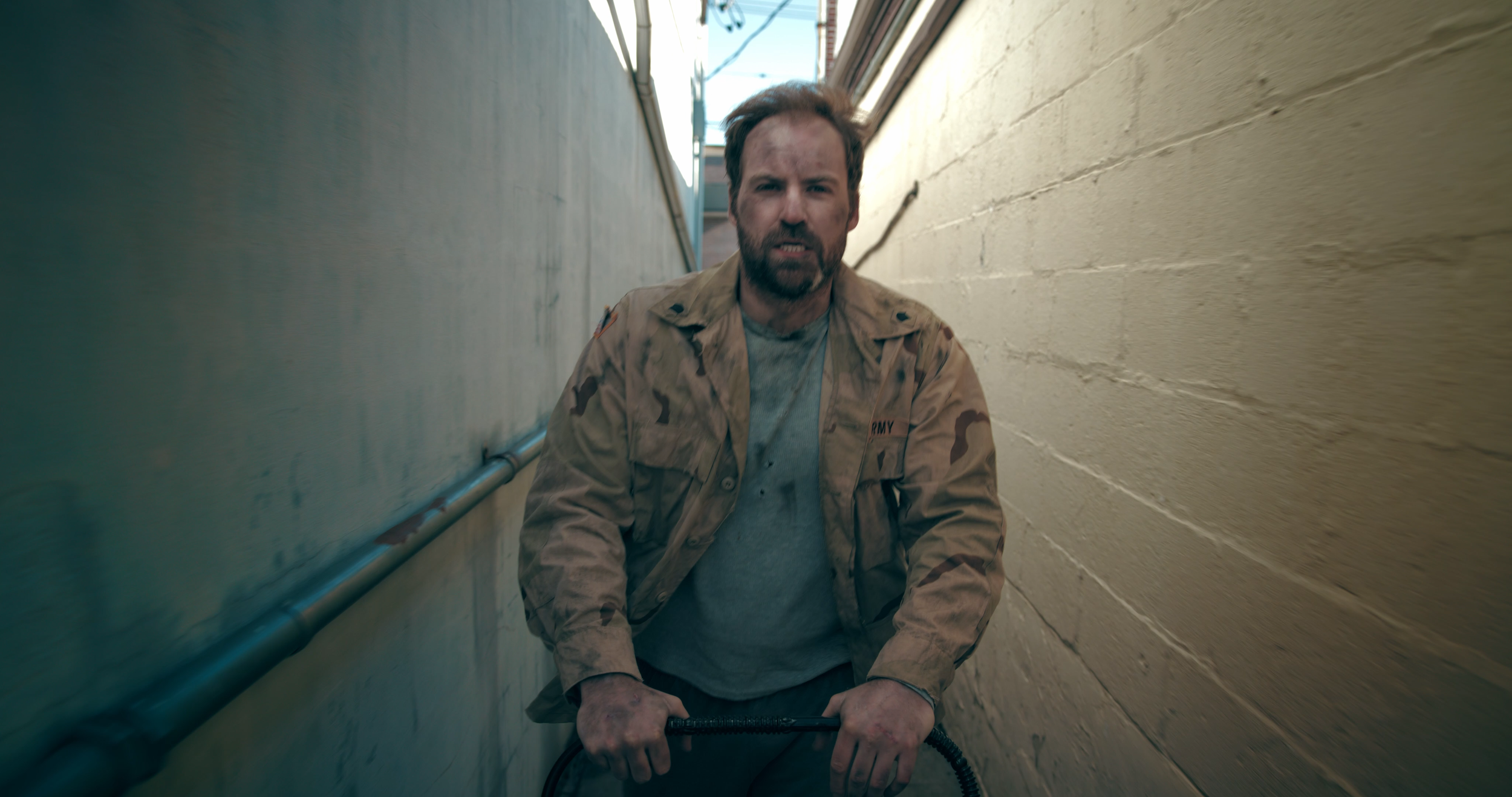
Director Edward B. Kessel, moved by the message of the struggles our veterans sometimes face, wanted to know what Billy’s life story was and how he got here. It was that inspiration that led Ed to create Billy’s story. Every frame was carefully crafted to follow the emotional beats of the song. from flashbacks of Billy’s life as a kid, to becoming a soldier and scenes of him, happy and thriving with his family. “We wanted the transitions between Billy’s past and present to be seamless,” Ed explained, “creating a poignant contrast between the carefree boy playing football, the proud soldier returning home, and the man who now struggles to make it through each day.”
Visual motifs, such as the worn cross Billy holds and his silent interactions with those who walk by – were used to amplify these themes. Every location, from bustling city streets to a small-town barbershop, was intentionally selected to evoke the emotions tied to Billy's journey.
3. Pre-Production: Building an Authentic World
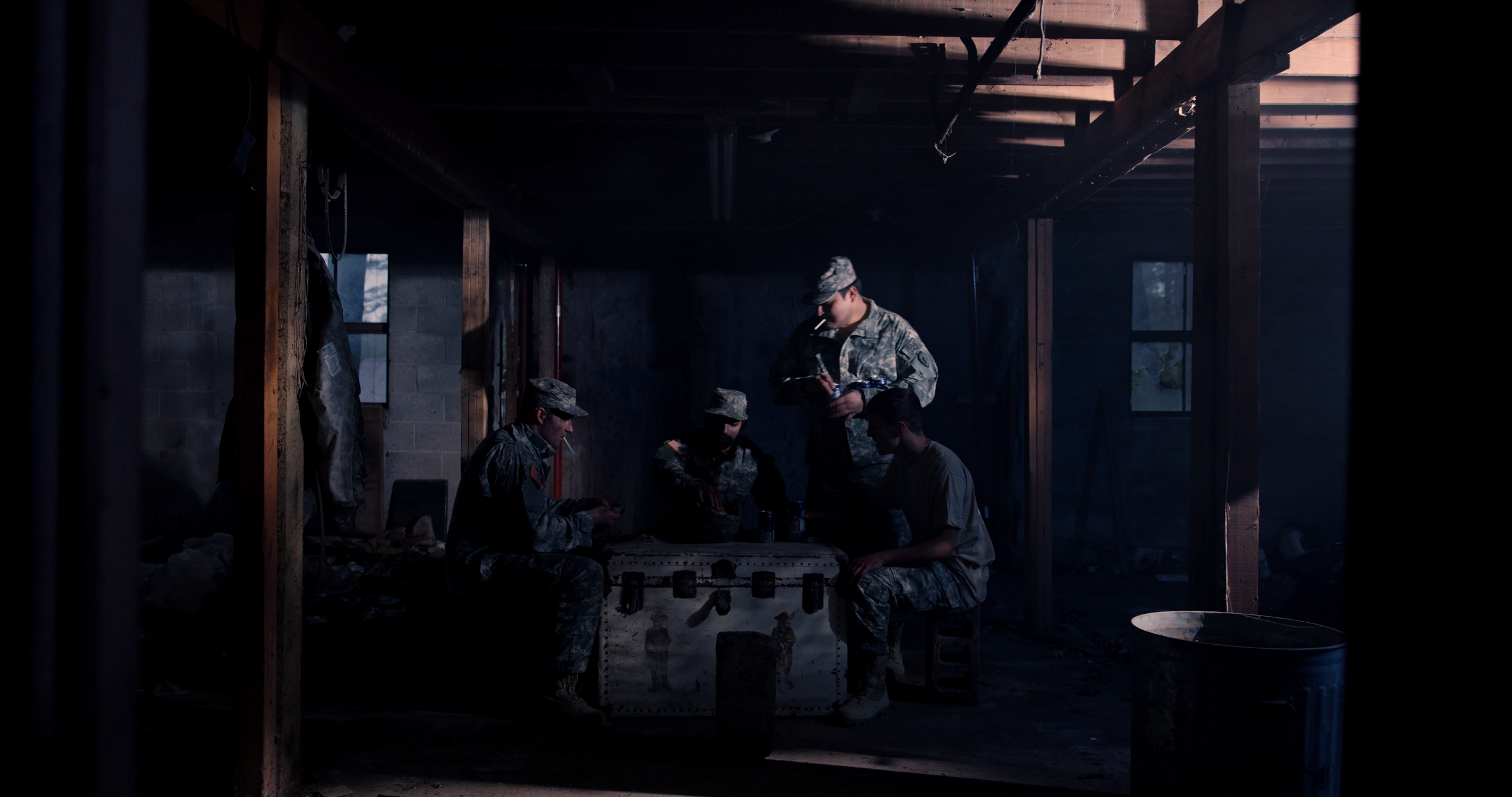
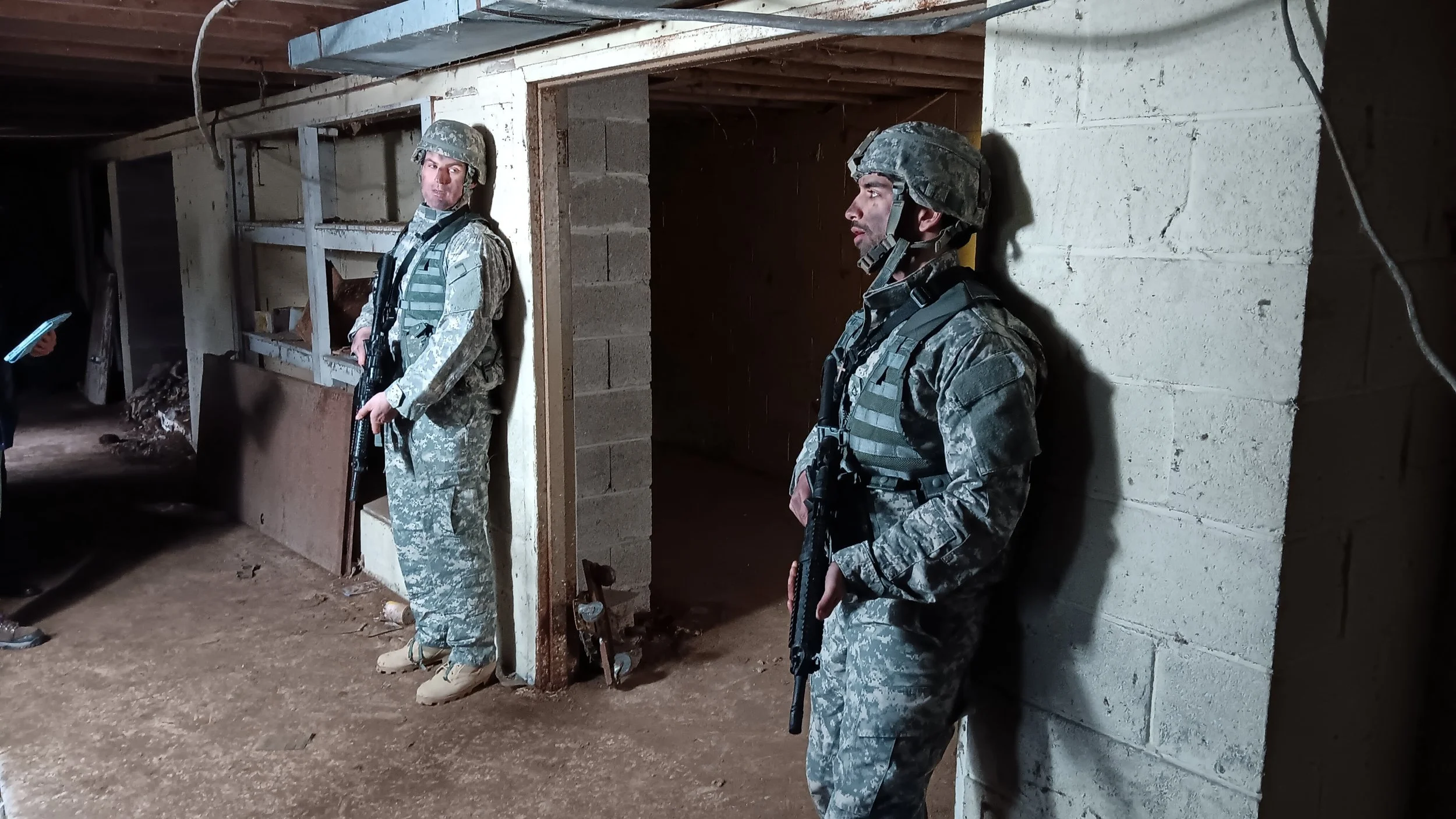
To bring the battle scenes to life, the team at Sound Imagination & Imagination Video filmed in an abandoned warehouse in Pennsylvania. This gritty, stark environment was transformed into a war-torn tunnel. Filming without heat or electricity on a rainy day, added a raw edge to the visuals, allowing the actors' performances to feel more compelling and immersive. Cold temperatures, limited lighting, and an overall sense of discomfort contributed to the authenticity, making it easier for the audience to connect with the soldiers' experiences.
Every set piece was carefully selected to add texture and depth. The barber’s tools, the cardboard sign Billy holds, and the military gear scattered throughout the war scene were all chosen to reflect the narrative's authenticity. The decision to use authentic military uniforms was a key design choice, ensuring that each piece matched the era and honored the military’s appearance, lending credibility to the flashback scenes.
This commitment to realism in wardrobe, props, and set design created an immersive world that respectfully portrayed the struggles faced by veterans and brought emotional depth to Billy’s story.
4. Production and Performance: Bringing Billy to Life on Camera
Filming ‘Not Today Billy’ was a journey of creativity, dedication, and perseverance. Spanning four and a half shooting days over three months, the production team faced the challenge of capturing emotional intensity in varied locations.
Crafting the Battle Scene: One of the most complex scenes was the flashback to Billy's life as a soldier. The Pennsylvania warehouse was transformed into a war-torn tunnel, and the production team used practical effects and dynamic lighting to capture the chaos of battle. Paintballs substituted for bullets, adding an element of realism without compromising safety. Actor Sushant Adlakha, who played the doomed “John,” demonstrated immense dedication as he lay motionless on the frigid concrete floor, enduring extended takes to ensure the emotional weight of the scene was conveyed.
Bringing Billy’s Present-Day Struggles to Life: The pivotal barbershop scenes were shot in a controlled environment with extras to create an authentic feel. These moments showed the impact of Billy’s makeover – a turning point in the story where he is offered a rare act of kindness. For close-ups of the transformation, the shop's owner stepped in, offering a genuine touch by cleaning up Billy onscreen. This subtle but powerful moment of connection symbolizes a shift from vulnerability to dignity and compassion.
During filming, art mirrored life when a real homeless man sat down in the exact spot where Billy had just filmed. This poignant moment emphasized the real-world relevance of the story being told, deepening the crew’s connection to the project and its message.
Director Edward B. Kessel fostered an environment of collaboration, working closely with actor John Toon (Billy), Raymond Sammak (Barber) and cinematographer Wilson Castillo to explore emotional beats, frame perfect shots, and create moments of spontaneity that brought Billy’s character to life in unexpected ways. The balance of careful planning and organic improvisation added layers to Billy’s story that couldn’t have been scripted.
The Emotional Climax: We don’t want to give away the ending. So we hope you’ll take a look at the link below to discover what happens to Billy.
5. Post-Production: Weaving Sound and Vision into a Compelling Story
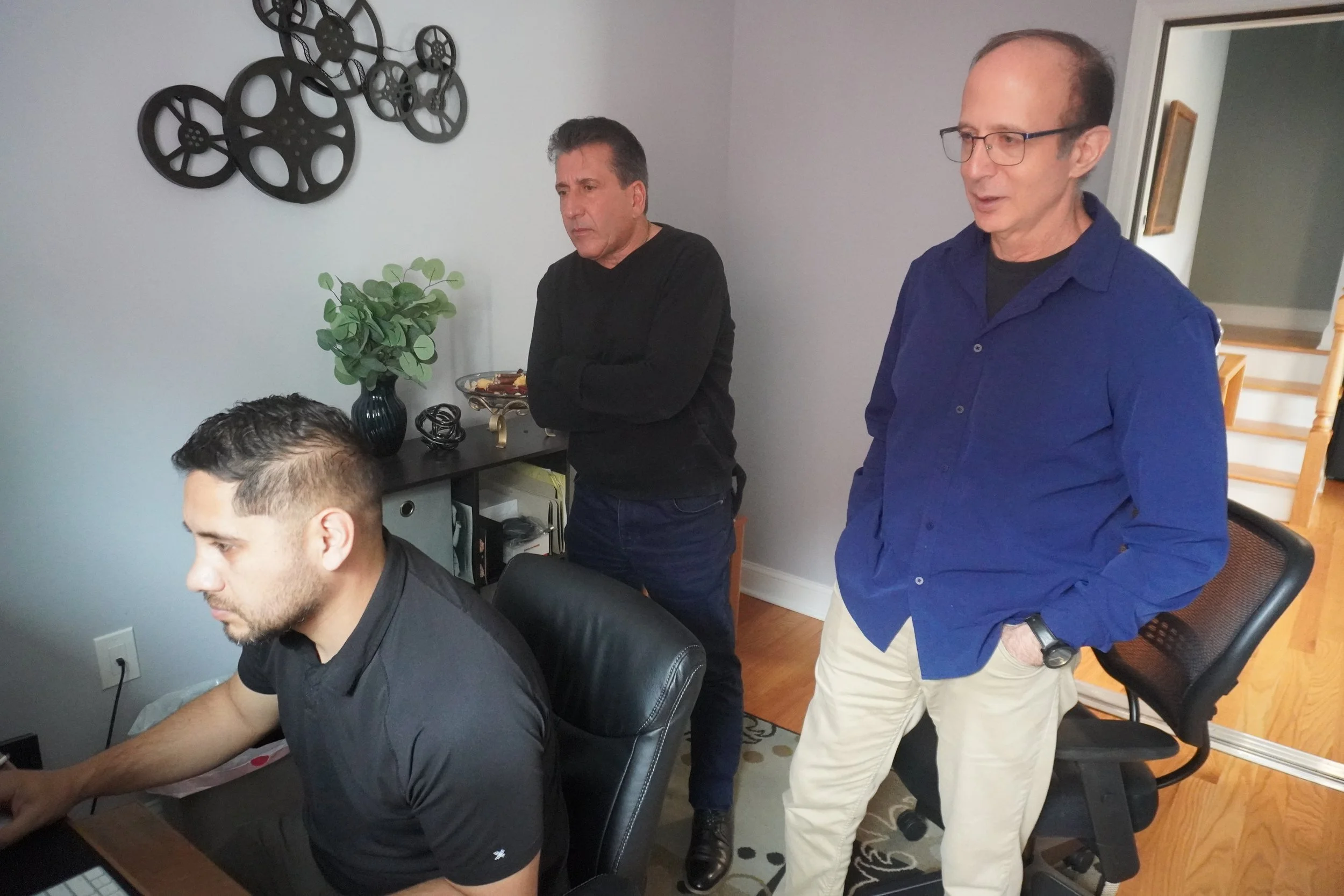
Post-production was where the magic of ‘Not Today Billy’ truly came together. Each scene was meticulously reviewed, cut, and arranged to mirror the rhythm of Joe Bartell’s haunting melody. The editing process ensured that the visuals flowed seamlessly with the music, evoking emotional highs and lows – from quiet, contemplative moments to tense flashbacks of war.
Crafting the Emotional Arc: Pacing played a crucial role in setting the tone. Quick cuts heightened the urgency of the battle scenes, while lingering shots captured Billy’s day-to-day struggles on the streets. Color grading contrasted Billy’s flashbacks - warm, vibrant hues of family memories - against the cold, muted tones of his present life as a homeless veteran. This visual dichotomy underscored the emotional shift from hope to struggle.
Sound Design Enhances the World: Beyond the song, additional sound design layered in atmospheric elements to bring Billy’s world to life. Subtle ambient noises, muffled voices, and echoes of gunfire added depth to the flashbacks, while silence was strategically used to evoke moments of isolation and reflection. Each sound choice was intentional, immersing the viewer in Billy's reality.
6. The Impact of 'Not Today Billy': A Story for Change
The release of ‘Not Today Billy’ struck a chord with audiences, sparking conversations about homelessness, veterans' struggles, and the power of compassion. More than just a music video, it became a call to action, leading to a fundraiser for The Wounded Warrior Project and raising awareness for those often overlooked in society.
For Sound Imagination & Imagination Video, this project was more than a production,it was a movement. ‘Not Today Billy’ demonstrated the power of storytelling to transcend the screen, inspiring empathy, awareness, and action.
Conclusion: Creating Stories That Resonate and Inspire
‘Not Today Billy’ began as a fleeting moment in a barbershop but grew into a visual story that moved audiences and made a difference. At Sound Imagination & Imagination Video, we’re passionate about telling stories that matter, that connect, and that inspire.
If you have a story that needs to be heard, let’s bring it to life – from concept to screen, and beyond.
Watch ‘Not Today Billy’ and support the Wounded Warrior Project. Together, we can make a difference through the power of storytelling.